Women Who Engineer: Monica Syal, Head of Flight Physics (Aerodynamics & Flight Dynamics), Wisk
04 Nov, 20264 minutes
Monica Syal is Head of Flight Physics (Aerodynamics & Flight Dynamics) at Wisk, an Advanced Air Mobility company developing autonomous, all-electric air taxis. Her career spans rotorcraft through to the frontiers of UAM, AAM and UAS.
We spoke with Monica as part of our Women in STEM campaign, which spotlights women shaping the future of advanced engineering across the United States.
Having worked across everything from rotorcraft to the frontiers of UAM, AAM, and UAS, you’ve had a front-row seat to this golden era of aerospace. What excites you most about the future of the industry?
“I am beyond excited to be an aerospace engineer right now! The possibilities are truly limitless with the rapid innovations we’re seeing in aircraft design, electric and hybrid propulsion, autonomous control systems, and multidisciplinary design approaches for AAM and UAS. This convergence is unlocking entirely new applications—from electric and hybrid VTOLs to cargo drones and critical defense systems like low-cost interceptors. This era isn’t just about innovating; it’s about innovating at scale and driving down costs. When you layer in the rapid advancements of AI in Aerospace, the rules of the game are fundamentally changing, making the future of this industry incredibly exciting.”
How do you see modern, agentic AI-assisted toolchains shaping engineering in aerospace today and in the future?
“We are moving beyond simple task automation toward building unified, domain-aware intelligence layers—essentially physical AI. I’ve experienced the power of this firsthand while building an end-to-end flight sciences tool chain for novel aircraft design. Because aerospace engineers aren’t typically software developers by trade, these modern toolchains act as an incredible force multiplier, integrating complex aerodynamics, operational data, and rigorous Verification and Validation (V&V) into a predictive pipeline. In a safety-critical industry, this scale of innovation relies entirely on the experienced engineer’s robust architectural vision. With the merger of robust architecture with agentic AI, the technology manages the massive execution complexities, which elevates our role to focus on deep system understanding, critical reviews, deeper V&Vs, and rapid executions. By leveraging this technology skillfully, we can verify and deploy next-generation aircraft at much greater speeds.”
You’ve led end-to-end flight sciences efforts across both manned and unmanned programs. How has your perspective on technical and organizational leadership evolved?
“Whether you’re developing certified manned aircraft or agile unmanned systems, delivering quickly and safely requires a disciplined, robust, and high-speed engineering pipeline—spanning from requirements, to multidisciplinary design optimization (MDO) to digital twins, to rigorous flight testing and so on. Organizationally, the true test of leadership is balancing the ‘move fast’ mentality of modern tech with the safety culture of aerospace. Leadership is about setting a lofty goal and then calibrating the team’s environment accordingly. You have to build a culture where engineers feel trusted to innovate rapidly in the conceptual phases, and possess the organizational discipline required when transitioning into verification and certification.”
As a woman leading innovation in aerospace, what advice would you give to the next generation entering the field?
“Work hard, work smart, and learn fast. Say yes to opportunities and strive for excellence. You will play many critical roles in life, so crucially, invest in your own energy management. You will encounter all kinds of perspectives and challenges at every level; don’t waste energy trying to change others. Make connections, build allies, accept the environment, and find mentors who have seen it all and can help you identify your blind spots. Above all, cultivate a mindset that you can figure out any problem, even if you don’t have the answer on day one. When you pair technical competence with grit and a calm, focused presence, you become unstoppable. Keep your own cup full, so you have the capacity to support and elevate the people around you.”
About Wisk
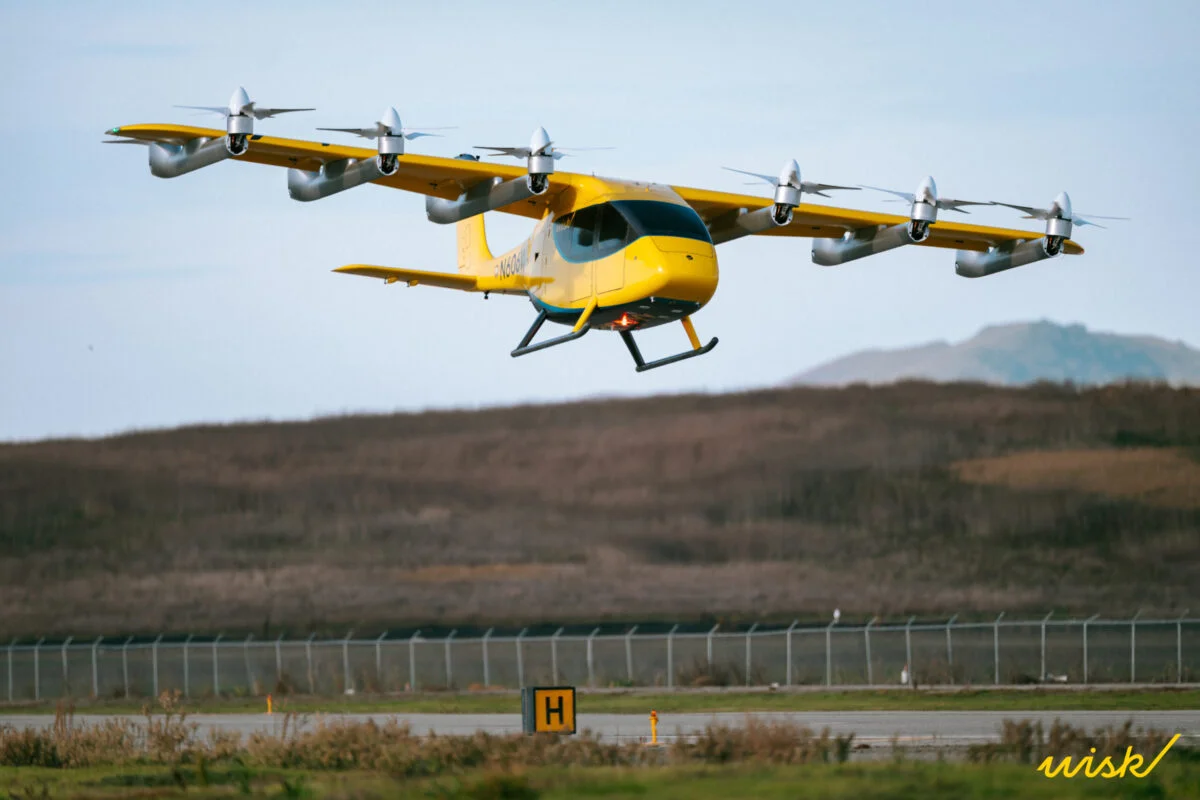
Wisk is an Advanced Air Mobility (AAM) company developing what it describes as the first all-electric, autonomous, passenger-carrying air taxi in the U.S. Its team set out in 2010 to explore electric vertical takeoff and landing flight, and has since developed multiple generations of aircraft and completed more than 1,750 test flights. Headquartered in Mountain View, California, with locations around the world, Wisk’s vision is safe, everyday flight for everyone.
About Women in STEM
Women in STEM is Fruition Group’s ongoing series spotlighting women shaping the future of advanced engineering in the United States. Every feature is an honest conversation about careers, challenges, and the work that matters. If you would like to nominate someone for a future spotlight, get in touch via our LinkedIn page.